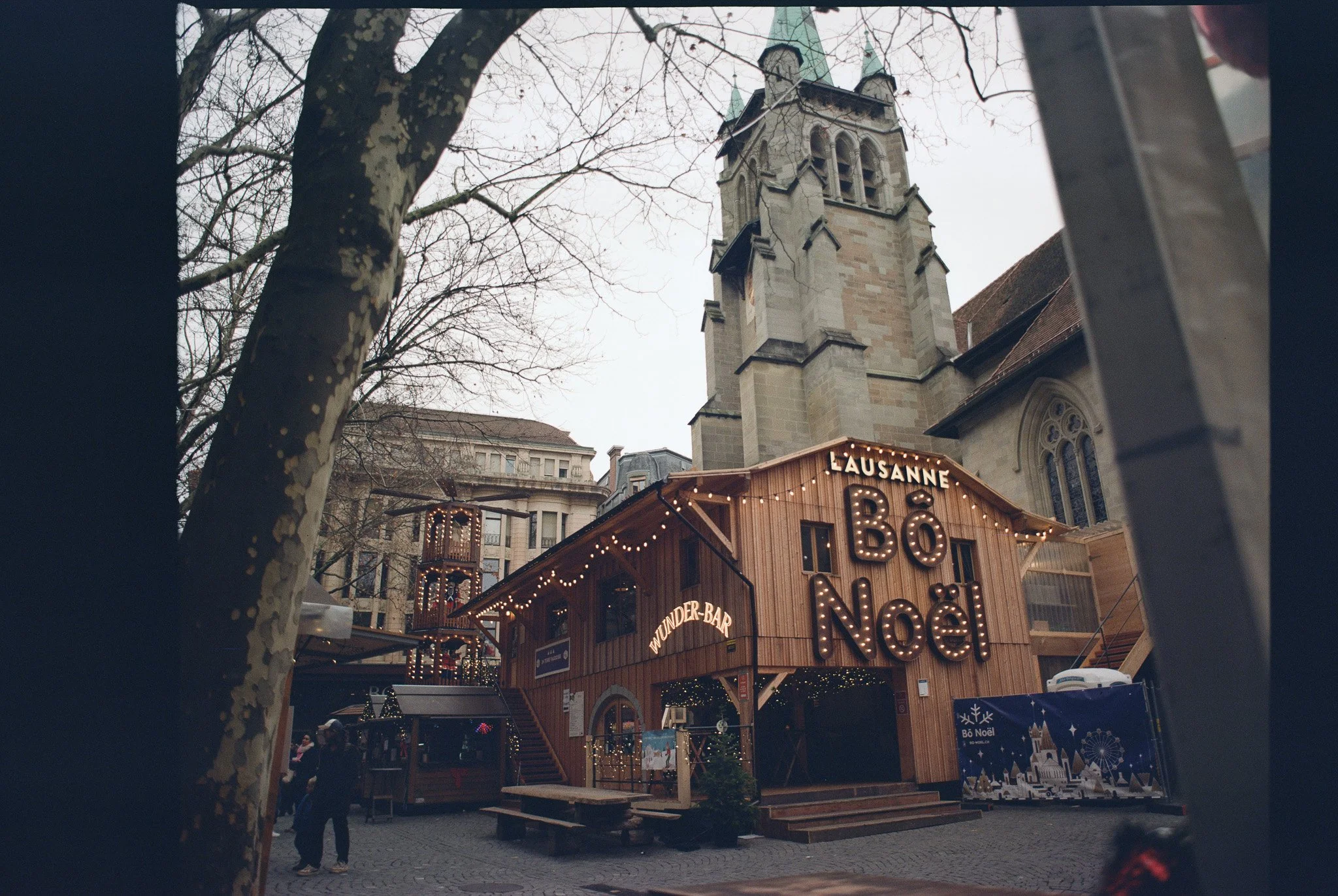
Mamiya RB 67 sample images
There is a rule with the RB67 that took me a few rolls to accept: if something is not working, the problem is almost certainly you and not the camera. I have proved this to myself several times now, once while loading film at home and once rather more publicly in the middle of a shoot.
My Mamiya RB67 came from Japan, where there are still plenty on eBay, sold either as bare bodies or bundled with a lens or two. It was quoted as being in good condition, it arrived packed as though it were being shipped to the moon, and it matched the description. It came with the 50mm Mamiya Sekor lens, which suits me because I mainly shoot landscapes.
Landscapes and the RB67 are, admittedly, two antagonistic ideas. The camera is big, bulky and heavy, and a roll of 120 film in 6x7 gives you ten shots. Ten. If you want more than that in a day you carry a second back, which means carrying more weight up the hill in order to take more photographs of the hill.
But the back is also the reason to own one. Two backs means two film stocks going at once, and I like to have black and white and colour loaded and to switch between them depending on what the light is doing. The back also rotates, which is what the "RB" stands for, so you shoot portrait or landscape by turning the back rather than the whole camera. On something this heavy that is not a minor convenience.
There are no electronics anywhere in it. There is not even a light meter. That, combined with the sheer bulk, forces you to slow down at every stage: loading, composing, metering, shooting, and eventually finding somebody who will still develop 120 film for you.
Loading is where I have come a cropper twice. Releasing the back is simple enough, with sliders marked "Lock" top and bottom, and a little tab underneath that opens it. What catches you out is that the back then comes apart into two pieces, the external cover with the dark slide and the internal film holder, and that the film has to pass behind the holder before it goes onto the take-up spool. Wind until the arrow on the film lines up with the arrow on the back, close it, and it stays light sealed for as long as the dark slide is in.
Metering leaves you two options. The sunny 16 rule works well enough (set your shutter to one over your film speed at f16), but the fastest speed on the RB67 is 1/400th of a second, so anything above ISO 400 leaves you stuck. Otherwise there are apps. I use Lightme, which let you spot meter and has a zone scale if you want to be more deliberate about it. Either way you then dial the settings straight onto the lens against the red dot, which after a digital body feels satisfyingly like operating machinery rather than a computer.
Composing takes the most getting used to. With the waist-level finder you lift the hood and look down at the image on the mirror, and there is a loupe that pops up for more precise focusing. Shooting landscapes on the 50mm I have simply left focus on infinity and it has been fine, but for anything closer you focus by turning the knob on the left, which racks the bellows in and out. Best of all there is a lever that locks focus once you have it, so a knock cannot lose focus for you. In fairness, if you knock this camera you are more likely to injure yourself than to affect the shot.
Point and shoot it is not. The order matters: wind on, cock the shutter, pull the dark slide, then fire. Leave the dark slide in and nothing happens at all, which is a sensible failsafe when you only have ten frames to lose. What is less forgiving is the little lever under the winding lever. Pushed forward with a red dot showing, the double exposure protection is off, and the shutter will fire whether or not you have wound on. I did not notice this for an entire roll.
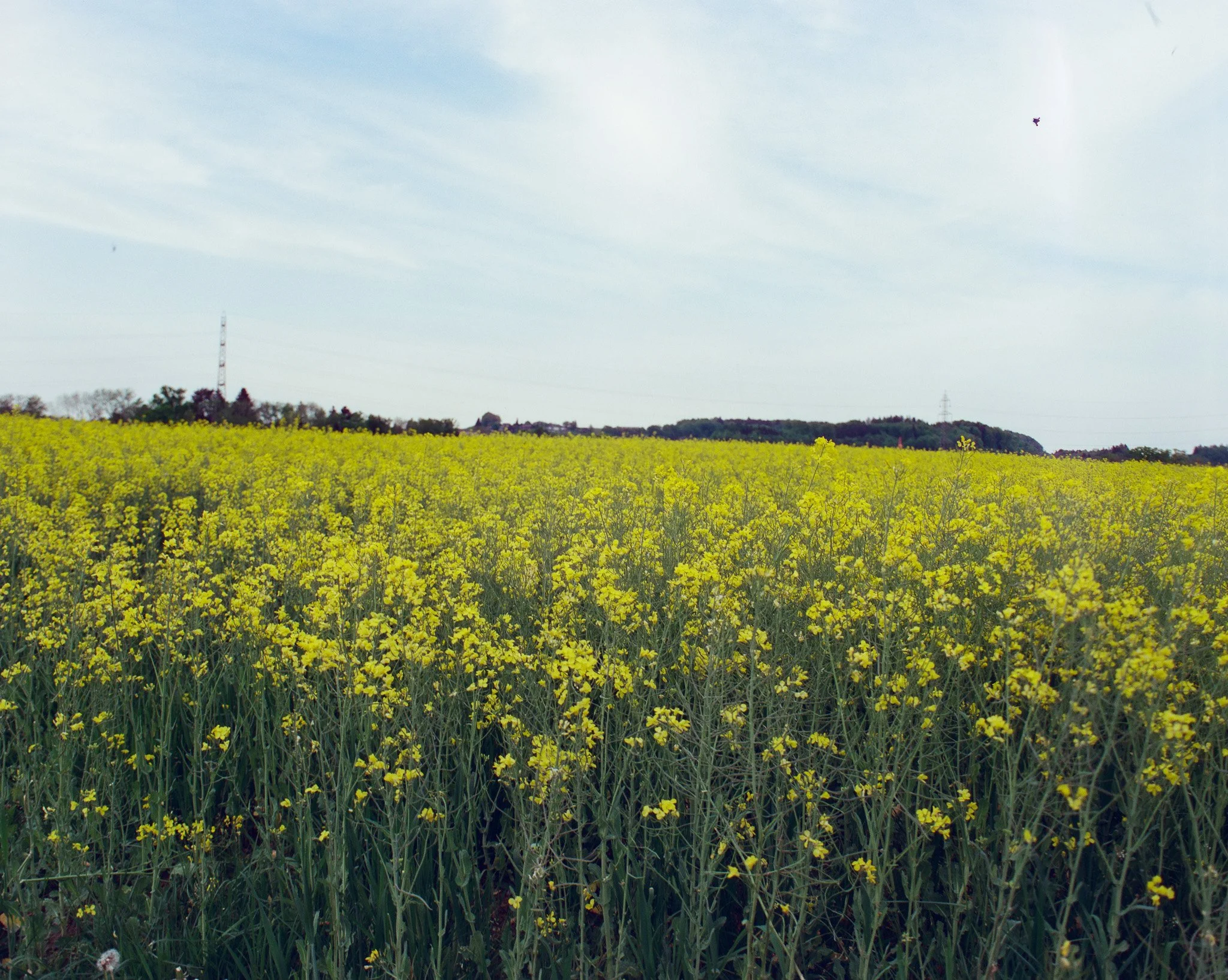
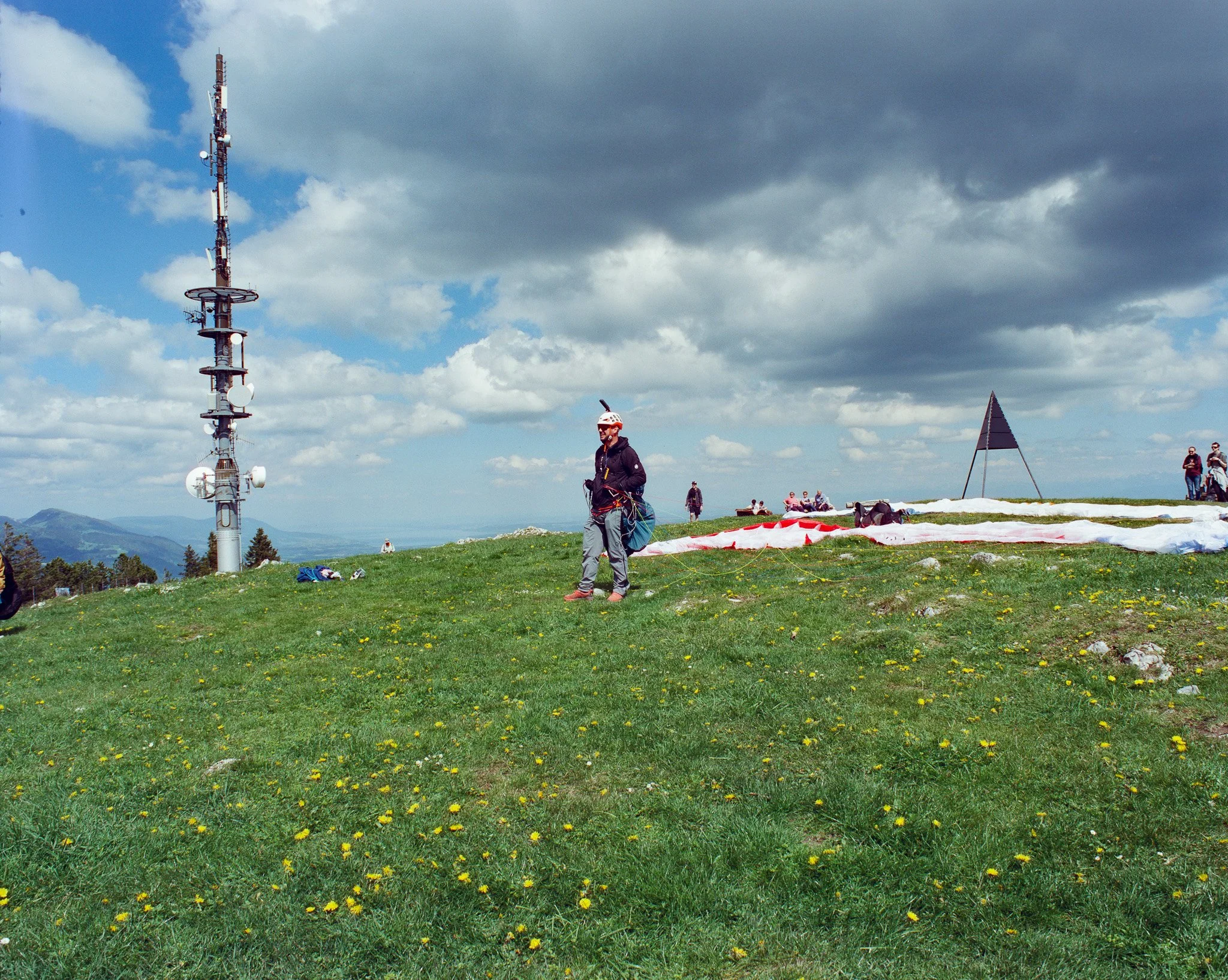
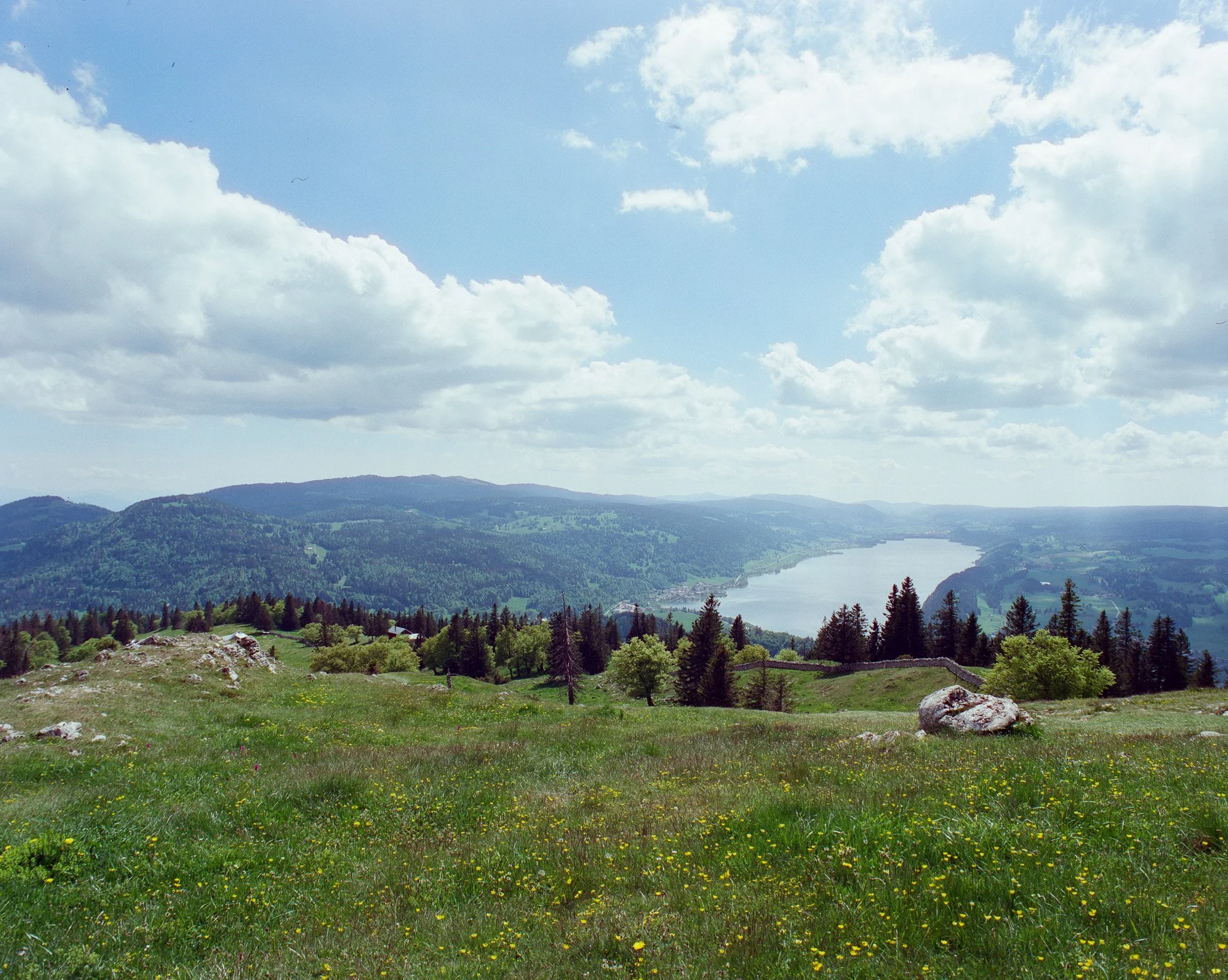
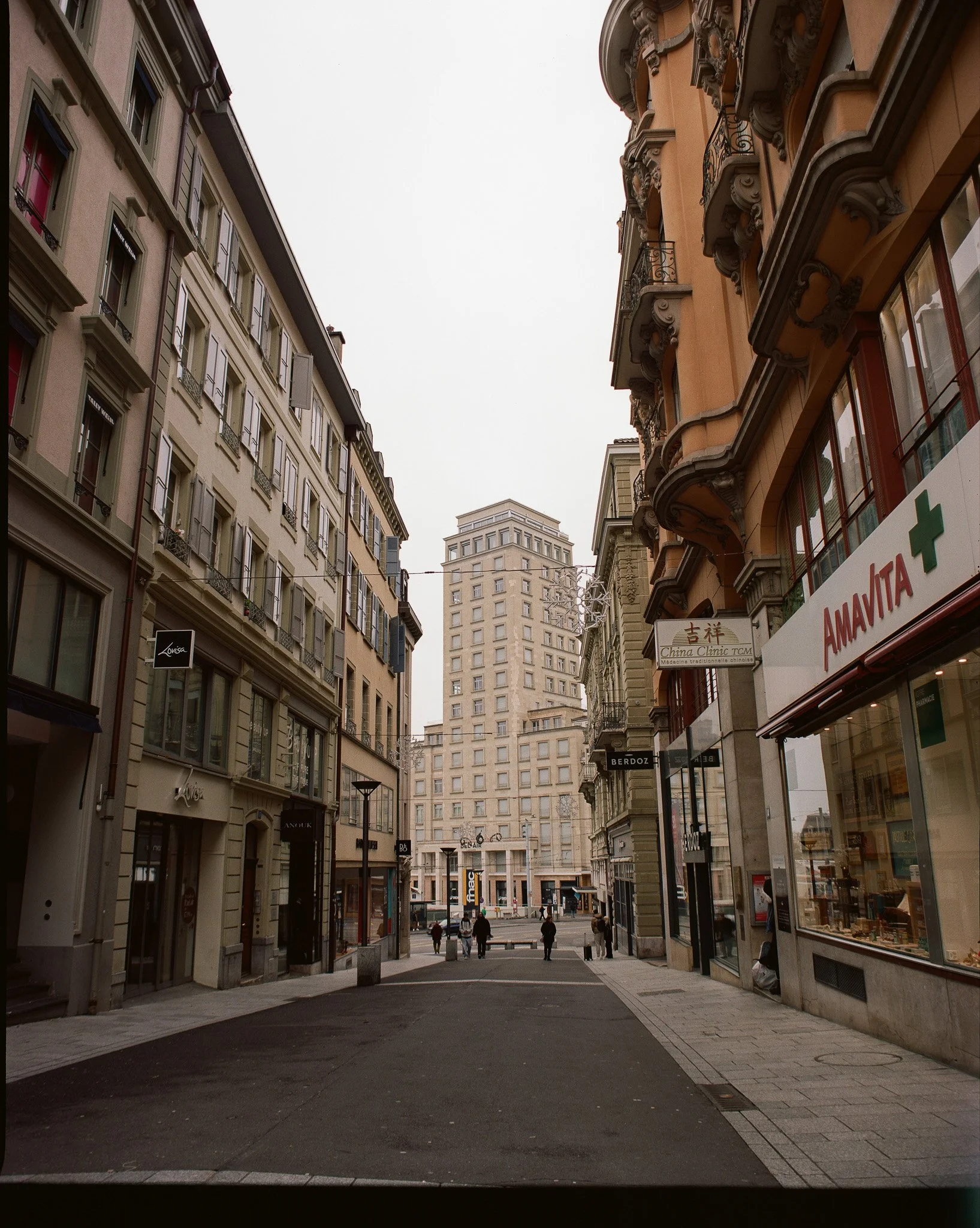
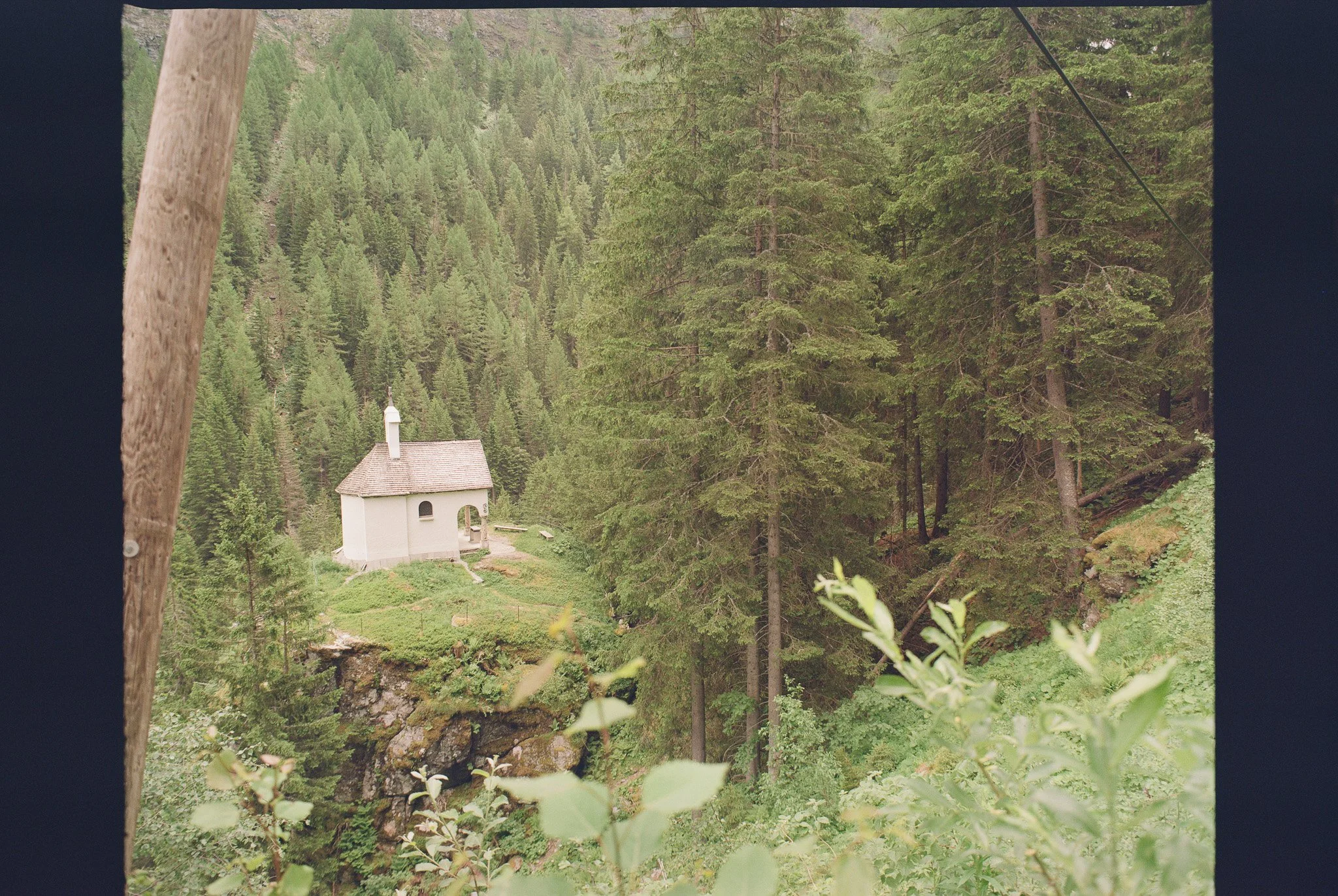
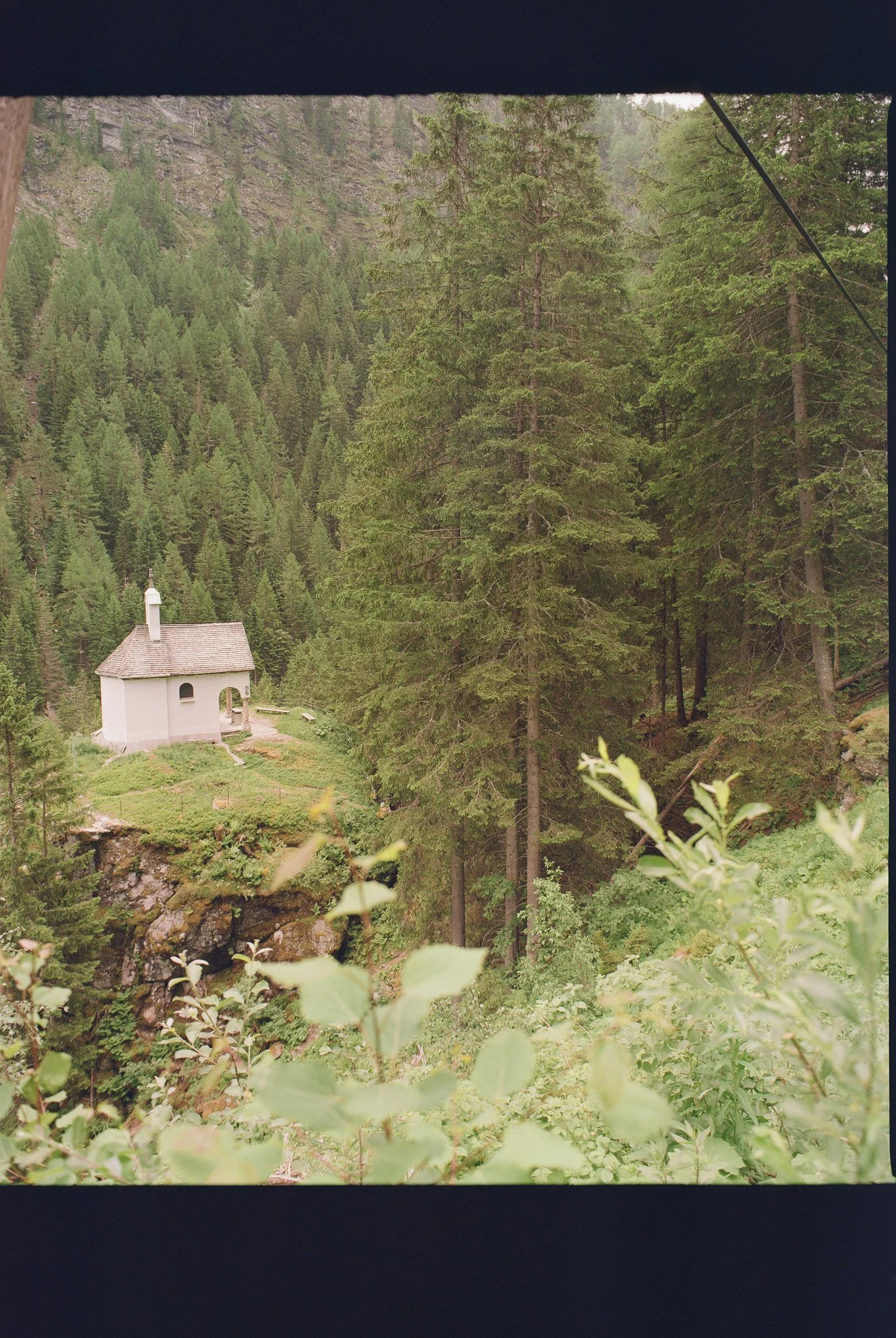
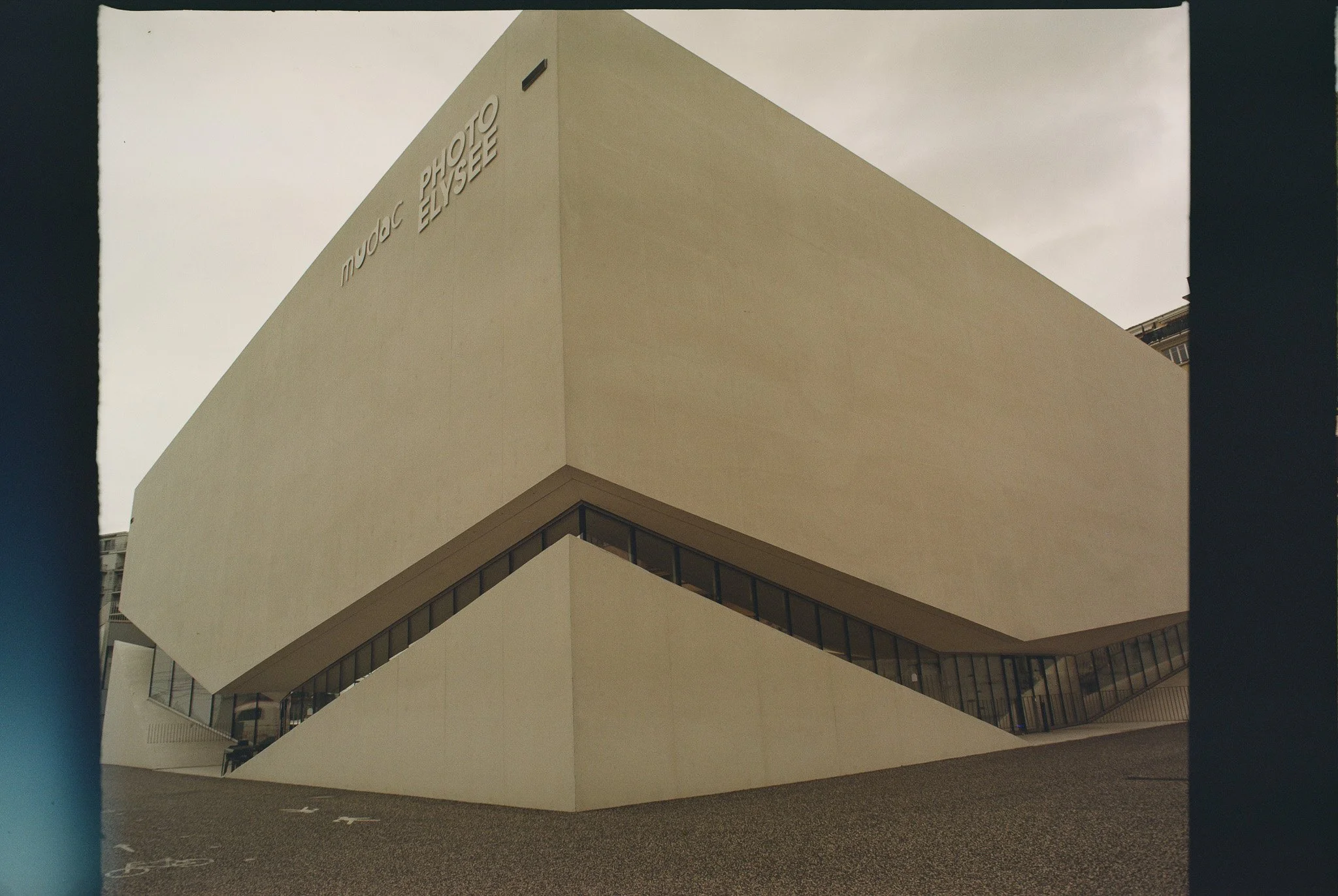
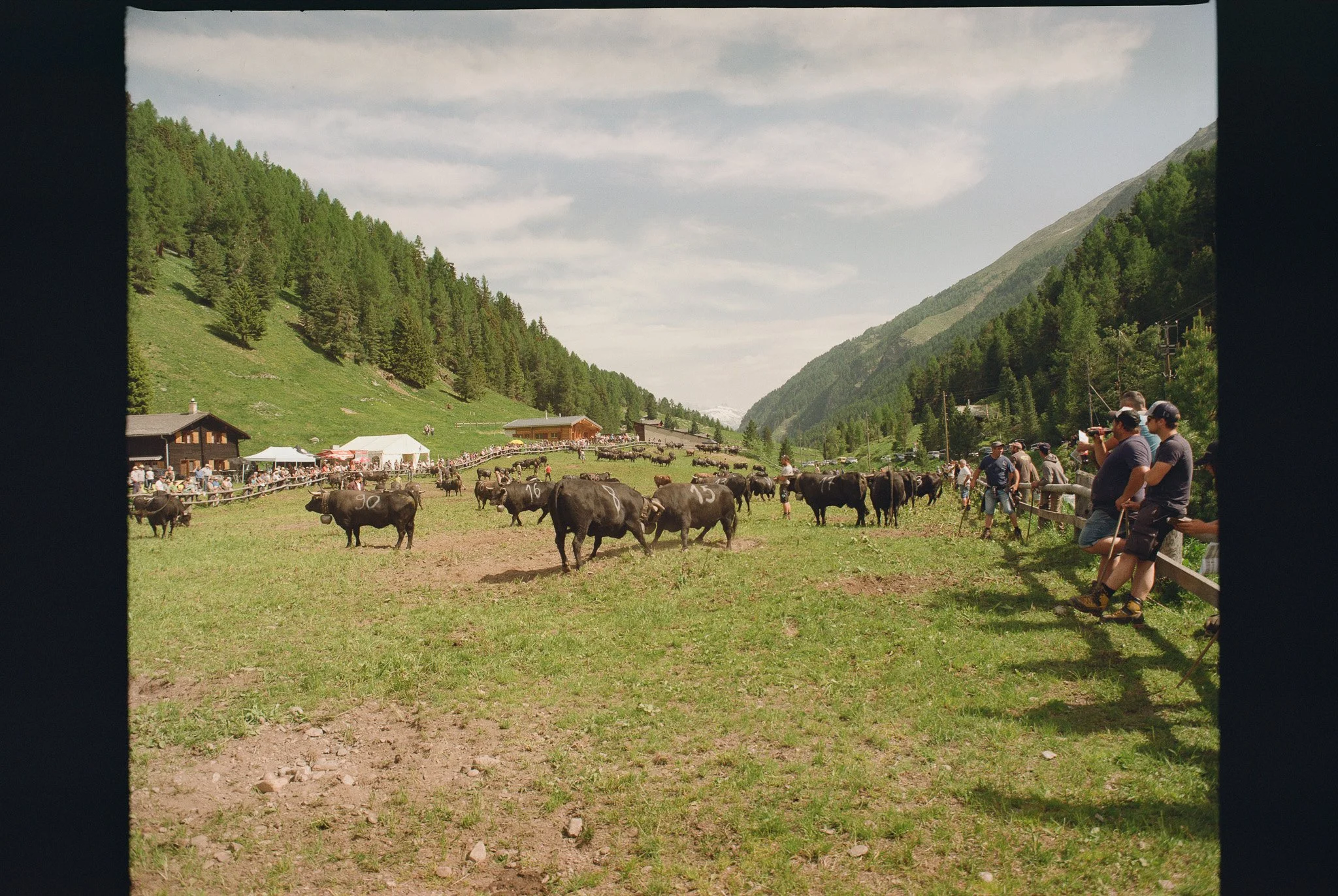
Now that I have shot a few rolls in colour and black and white on the Mamiya RB 67, I can share some sample images. The camera is too big to carry around on my landscape shoots along with all my other gear, as I am often hiking in mountain terrain over relatively long distances. However, I have taken it with me when I know there would be an opportunity to shoot without carrying it too far.
My general impression is that the 50mm lens is OK but not great for landscape photography unless you have fantastic light. I’ve tried with a variety of films without any major differences in the final result. I would love to try closer work with longer lenses as these seem to produce much better results based on what I have seen online.